As an artist, I have had the privilege of witnessing firsthand the evolving role of abstract art in society, especially as it intertwines with the idea of status. In recent years, abstract art has moved beyond mere décor or aesthetic preference—it’s become a powerful symbol of intellectual sophistication, personal identity, and, quite often, a financial investment. The rise of abstract art as a status symbol is not merely coincidental; it speaks to a cultural shift where depth, complexity, and individuality are celebrated.
In the past, art was often seen as a reflection of wealth and lineage, with classical works hanging in the grandiose homes of the affluent. These pieces spoke of legacy and tradition, glorifying historical events, religious figures, or opulent landscapes. However, the modern collector is increasingly moving away from these more conventional depictions of power, choosing instead to invest in art that challenges conventions and sparks intellectual curiosity. Abstract art fits this new paradigm perfectly. It asks the viewer not for passive admiration, but for active engagement. In this way, owning an abstract piece is not just about appreciating its surface beauty—it’s about demonstrating a deeper understanding of creativity, emotion, and even philosophical thought.
This shift marks a cultural pivot: where status once stemmed from the ability to preserve or collect traditional works, today, it arises from one’s capacity to embrace the new, the unknown, and the unstructured. Abstract art fits seamlessly into this landscape, offering an expansive language of symbols and meanings. To own a piece is to signal an openness to the future, to art that is raw, experimental, and ever-evolving.
There is something deeply cerebral about abstract art. It does not impose meaning; rather, it invites the viewer to create their own narrative. This aspect of abstraction appeals to a growing number of collectors who value art that engages them intellectually. Unlike traditional art, where the meaning is often immediate or easily interpreted, abstract works require the viewer to invest time and thought into decoding the artist’s intention—or, perhaps more provocatively, to surrender the need for intention altogether.
As an artist, this freedom is both liberating and humbling. The lines, shapes, and colors in my work are not confined by expectations; they exist in a space that allows for fluidity and interpretation. When a collector chooses an abstract piece, they are, in many ways, declaring their own intellectual prowess. They are choosing a work that resonates on a level beyond the surface, one that invites dialogue about emotion, culture, and perception. In a world driven by metrics and materialism, such an approach to art represents a rare and prized form of sophistication.
The allure of abstract art is not limited to its intellectual appeal. In recent years, we have seen a remarkable growth in the value of abstract art within the marketplace. As the art world continues to expand globally, collectors are increasingly looking for pieces that are rare, unique, and poised for appreciation over time. Abstract art provides this in spades. Every piece is an individual statement, crafted by an artist with a specific vision and creative approach. No two abstract works are ever identical, and this rarity contributes to their increasing desirability.
Moreover, abstract art has proven to be an excellent financial investment. Works by well-established artists often command impressive prices at auction, and even pieces from emerging talents have the potential to skyrocket in value as their careers advance. Unlike luxury goods, whose value can be influenced by market saturation or shifting trends, abstract art maintains an inherent scarcity that makes it both a desirable and secure investment. For the modern collector, owning a piece of abstract art is akin to owning a piece of the future—a tangible asset that reflects not only one’s financial acumen but also their cultural sensitivity.
One of the most compelling reasons why abstract art has come to be seen as a status symbol lies in its ability to form an emotional connection with the viewer. Unlike traditional forms of art, which often depict a fixed narrative, abstract works invite the viewer into a dynamic conversation. These pieces do not provide clear answers; instead, they evoke a spectrum of emotions that can be both intimate and profound. To own such a piece is to invite that emotional dialogue into your daily life.
As a creator, I find it incredibly gratifying to know that my work can evoke such responses. Whether it’s the calming fluidity of a line or the intense energy of a color, abstract art holds the power to affect the viewer on a visceral level. This ability to provoke thought, stir emotion, and ignite a deeper sense of self-awareness is precisely what makes abstract art so alluring to collectors. It is no longer just a conversation piece—it is a piece that invites a personal reflection on the nature of existence, identity, and connection.
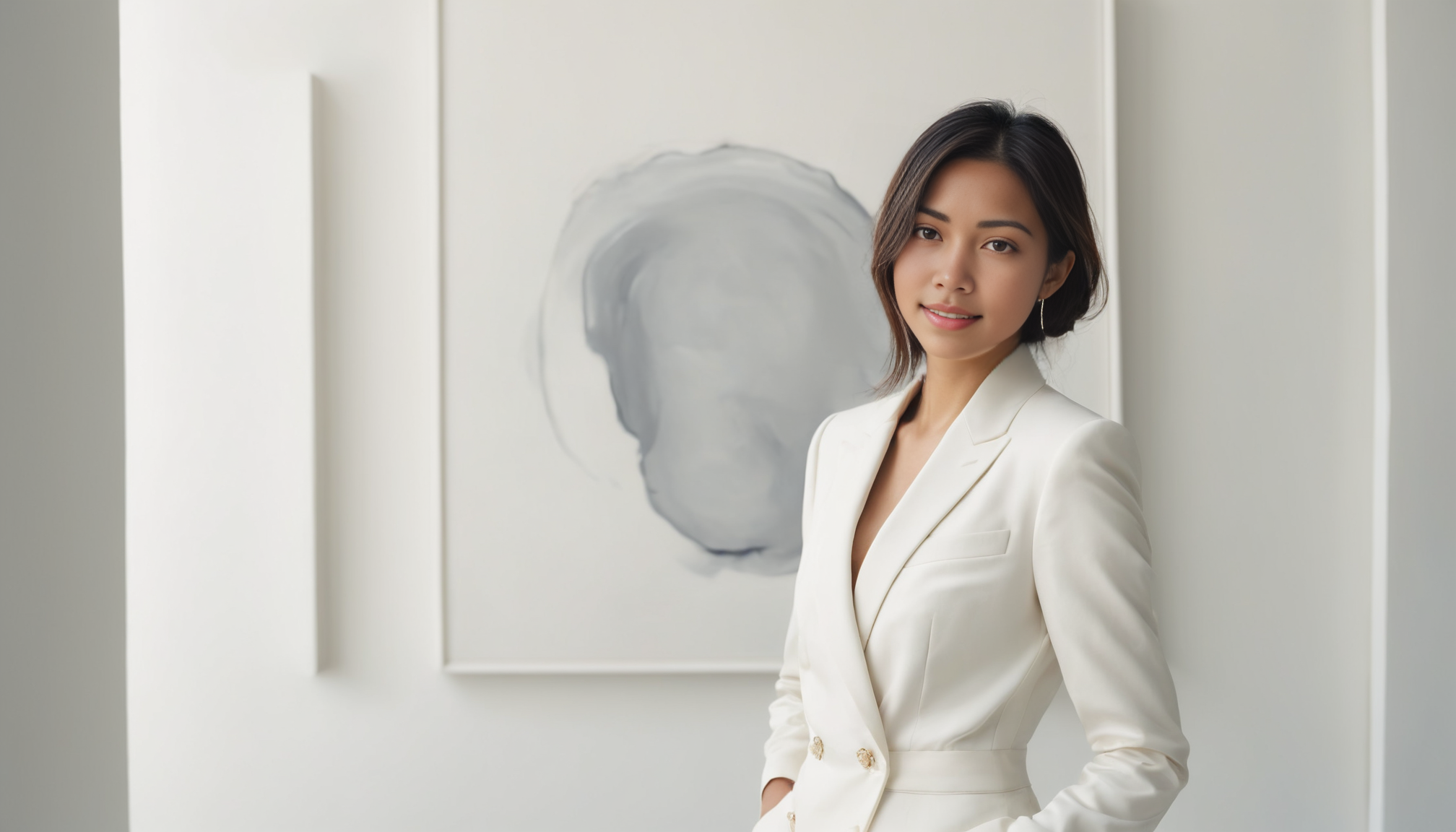
The role of abstract art in the home is crucial. As a modern luxury, it can transform any environment into one of contemplation and beauty. When displayed thoughtfully, abstract art becomes the heartbeat of a space—defining its atmosphere and setting the tone for how a room is experienced.
If you’re looking to elevate your space with abstract art, consider placing it in areas where its power can be fully appreciated: above a statement piece of furniture, in a room with ample natural light, or in a gallery wall where different works can converse with one another. Abstract art demands attention, not in a brash way, but in a quiet, powerful manner that draws the eye and engages the mind.
In conclusion, abstract art has earned its place as the new status symbol. It speaks to those who dare to embrace ambiguity and complexity, to those who understand that true luxury lies not in excess, but in the exploration of ideas and emotions that transcend the mundane. It is a statement of sophistication, intellectual depth, and a discerning eye for beauty in its purest form.
Owning abstract art is not just about filling a wall; it is about surrounding oneself with works that resonate on a deeper level—works that offer not only beauty but also an invitation to think, to feel, and to engage with the world in a way that is truly refined.
With love as always,
Sara Oshogi